 lop News
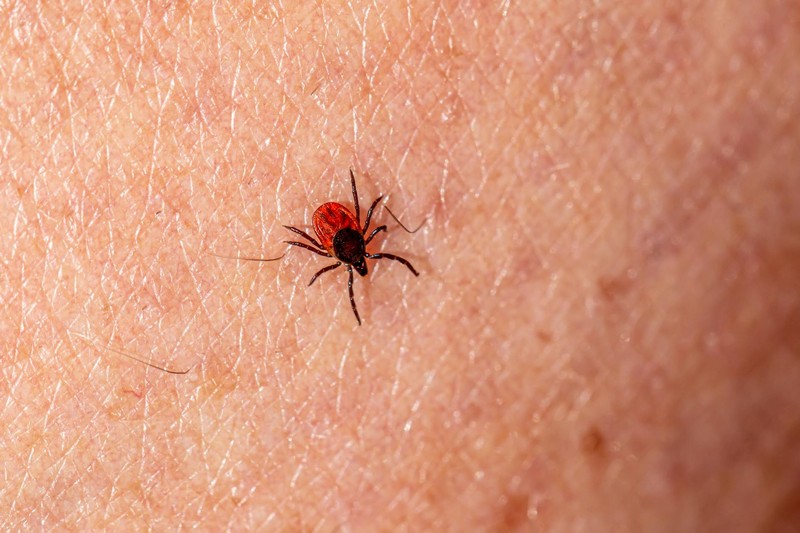
The first Lyme disease vaccine in more than two decades may be on the horizon—but it’s arriving with an asterisk.
Pfizer and its French partner Valneva announced Monday that their experimental vaccine demonstrated more than 70% efficacy in a late-stage trial involving roughly 9,400 participants across North America and Europe. For a disease that infects an estimated 476,000 Americans annually, that’s potentially transformative news.
Here’s the catch: the trial technically failed its primary statistical goal.
Too few participants contracted Lyme disease during the study to meet a pre-specified confidence threshold. The primary analysis showed efficacy of 73.2%, but the lower bound of the confidence interval—15.8%—fell short of the 20% threshold the companies had set. A secondary analysis did cross that bar, with a lower bound of 21.7%.
Pfizer is pressing ahead anyway. “The efficacy shown in the VALOR study of more than 70% is highly encouraging and creates confidence in the vaccine’s potential to protect against this disease that can be debilitating,” said Annaliesa Anderson, Pfizer’s chief vaccines officer. The company plans to submit the data to regulators.
Whether that’s enough for approval remains uncertain. The FDA under the current administration has emphasized stricter vaccine scrutiny, and seeking authorization for a shot that missed its primary endpoint could prove contentious.
The path is complicated by history. LYMErix, approved in 1998 with nearly 80% efficacy, was withdrawn three years later after safety concerns—fueled by media coverage and a class-action lawsuit—cratered demand. The FDA ultimately found no evidence the vaccine caused harm, but Lyme vaccine development froze for a generation.
The new vaccine requires four doses over two years and targets six strains of Lyme-causing bacteria. No safety concerns emerged in the trial. Whether regulators accept Pfizer’s argument that the data is “clinically meaningful” despite the statistical miss will determine if Americans finally get another shot at protection.
Discussion (5)