 lop News
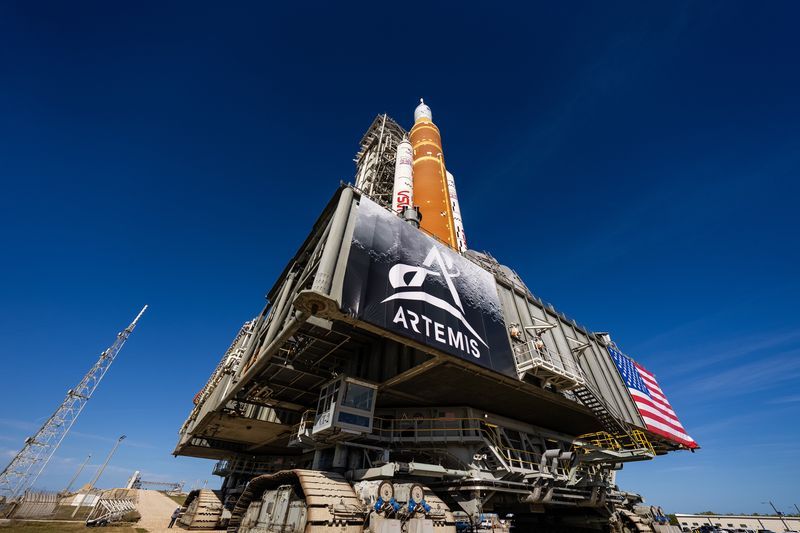
Four astronauts, a 322-foot rocket, and a launch date that has moved so many times it practically needs its own tracking app. NASA says April 1 is the day — and this time, the agency insists, it means it.
Artemis II will send commander Reid Wiseman, pilot Victor Glover, mission specialist Christina Koch, and Canadian Space Agency astronaut Jeremy Hansen on a 10-day free-return loop around the Moon. No landing, no lunar surface — just a crewed flyby that would be the first since Apollo 17 splashed down in December 1972. More than 53 years ago.
Getting here has been a process. The mission was originally slated for late 2024, then pushed to September 2025 after engineers investigated why the Artemis I heat shield eroded more than expected during reentry. In December 2024, NASA bumped the date again to April 2026. Then came the wet dress rehearsal on February 2 this year, which revealed a liquid hydrogen leak. A helium flow interruption discovered on February 21 in the fuel pressurization system forced a full rollback to the Vehicle Assembly Building for a seal replacement.
That repair is now complete. NASA’s Flight Readiness Review on March 12 ended with every team polling “go.” The rocket is set to roll out to Launch Pad 39B as early as March 19, according to a NASA mission blog update on March 17. If April 1 slips, backup windows run through April 6, with another on April 30.
“All the teams polled ‘go’ to launch and fly Artemis II,” said Lori Glaze, NASA’s associate administrator for exploration systems development. She added a caveat worth noting: “We will launch when we are ready.”
After two years of schedule slides, that qualifies as earned optimism.