 lop News
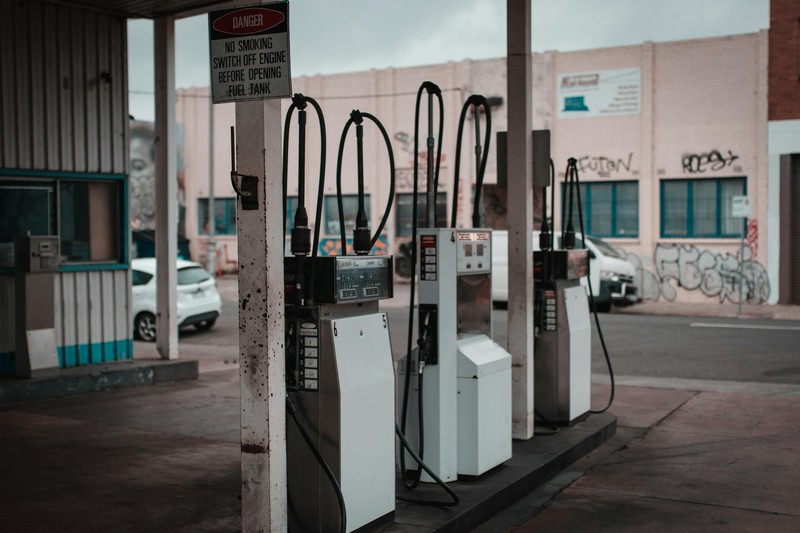
Three continents away from the Strait of Hormuz, the chokepoint crisis has found its mark. Hundreds of Australian petrol stations sit empty. Six oil shipments never arrived. And the federal government has spent the weekend cutting deals with Singapore to keep diesel and petrol flowing to a country that exports more gas than almost anywhere on Earth.
The numbers land with a thud: 109 service stations in Victoria out of at least one fuel grade. Forty-seven Queensland outlets without diesel, another 32 dry on regular unleaded. Thirty-seven stations in New South Wales have run out of petrol — though NSW Premier Chris Minns put the diesel figure even higher, at 105 outlets. Energy Minister Chris Bowen declined to share statistics for Western Australia, the Northern Territory, South Australia or Tasmania.
A Supply Chain Unravels
The culprit, according to Bowen, is six oil shipments that failed to reach Australian shores. When exactly the government realised the scope of the problem remains unclear — Bowen would only say it was an “iterative process” and that the shipments weren’t all cancelled on the same day.
Singapore is now the linchpin of Australia’s response. Prime Minister Anthony Albanese and his Singaporean counterpart Lawrence Wong released a joint statement committing to continued energy trade, with both countries agreeing to “notify and consult each other on any disruptions with ramifications on the trade of energy.” The statement explicitly covers diesel and liquefied natural gas.
But the deal comes amid growing anxiety that nations will hoard their own supplies. Malaysia declared last week it would “prioritise our own needs” — a signal that export markets can no longer be taken for granted.
Coal and Gas as Leverage
Here’s where the economics get interesting. Government sources have been blunt: Australia intends to leverage its position as one of the world’s largest gas exporters to secure oil imports. The calculation is straightforward — the countries buying Australian coal and gas are often the same ones selling the fuel and fertiliser Australia needs.
Nationals leader Matt Canavan made the case explicitly: “It’s the only way, that coal and gas, that we’re going to be able to keep our fuel and fertiliser coming to our country.”
Fertiliser has now entered the crisis conversation, with concerns broadening beyond petrol and diesel to agricultural chemicals. Shadow resources spokesperson Susan McDonald reportedly suggested lifting sanctions on Russian-produced fertiliser — a proposal Canavan declined to endorse, citing Ukraine.
“A Long Way” from Rationing
Bowen told parliament that fuel rationing remains a distant prospect. The framework, he explained, would begin with public information campaigns requesting voluntary conservation before any mandatory measures. “I think we’re a long way from that,” he said.
Maybe. But the government has already delegated “significant powers” to state governments for fuel emergencies, and state-level authorities would be engaged before any federal emergency declaration. That’s not the move of a government entirely confident in its supply lines.
The Singapore deal is a diplomatic win, but it’s also a recognition of vulnerability. A country that ships gas to the world is now bargaining with that export revenue to keep its own pumps full. The Strait of Hormuz is 10,000 kilometres away. The empty service stations are not.