 lop News
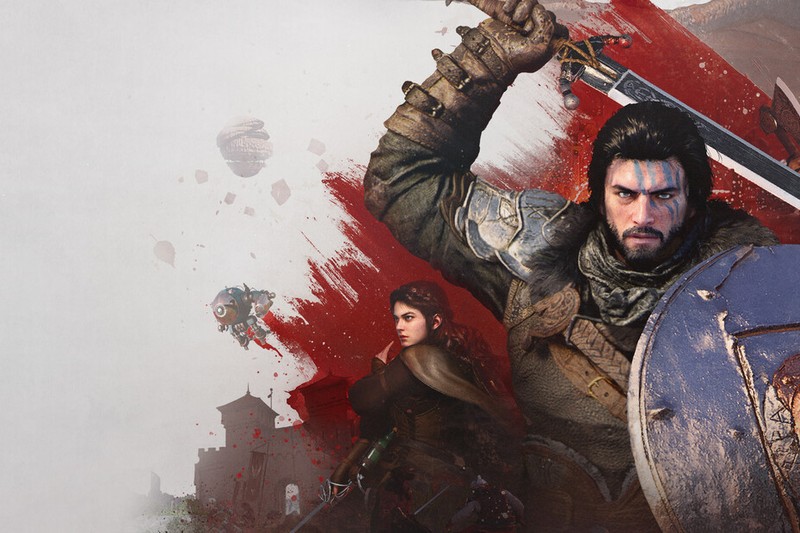
Two million copies in 24 hours. A peak of 248,530 concurrent players. The #1 spot on Steam’s Top Sellers list. By any conventional metric, Crimson Desert just delivered Pearl Abyss a monster launch.
But dig past the headline numbers and you’ll find a game fighting a war on multiple fronts.
Crimson Desert’s Steam reviews sat at “Mixed” for much of its opening weekend before climbing to “Mostly Positive” at 70% — a respectable floor, but hardly the ceiling investors were betting on. Pearl Abyss stock plunged nearly 30% when review scores landed below 80 on Metacritic, then dropped another 9.78% the following day. For a company that spent seven years and roughly $133 million (200 billion won) building its Black Desert follow-up, “mostly positive” wasn’t the victory lap anyone planned.
What’s Working
The raw numbers prove players want to be here. Crimson Desert cracked Steam’s top 100 global sellers before it even launched. Prediction markets gave it a 30% shot at Game of the Year — second only to GTA 6. The hype was real, and for many, the world itself delivers.
Players praise the scale and ambition. The open world that Pearl Abyss promised? It exists, and it’s massive. The continent of Pywel offers wilderness, cities, ruins, and the mysterious Abyss — exactly the kind of sandbox that hooks you for dozens of hours.
Also, cats. Multiple glowing reviews specifically mention the ability to pick up, carry, and pet stray felines found throughout the world. “I found a crying cat in the bushes and the game let me pick her up and pet her. 10/10,” one player wrote. Sometimes the small things hit hardest.
What’s Dividing Players
The complaints cluster around execution, not ambition. Controls drew immediate fire — players called them clunky, complicated, and in some cases bad enough to trigger refund requests. Pearl Abyss has already patched in keyboard and mouse improvements, with more promised, but first impressions matter.
Performance proved polarizing. One review described graphics that “look awful” without upscaling, with ray tracing off causing light glitches and enabling it tanking framerates from 100 to 30. The technical foundation clearly needs work.
Then there’s the bloat. “On paper, everything looks impressive — visuals, scale, ambition,” one player wrote. “But once you actually play it, the experience falls apart quickly. The pacing is slow, the systems feel bloated, and the gameplay loop never truly hooks you.” Another called out “random arm-wrestling and other filler” clogging the early hours.
Eurogamer’s three-star review put it more poetically: “Think of The Witcher games. You can practically taste the fetid water, churned-up mud, and hunks of charred meat dined on by noblemen… How does Crimson Desert taste? Well, it is not nearly so flavoursome — imagine, instead, a banquet where almost every dish has the faint taste of cardboard…”
The AI Art Controversy
Pearl Abyss also stumbled into a completely avoidable PR mess. Players discovered AI-generated 2D props in the final release — assets the developer admitted were created with “experimental AI generative tools” and never replaced before launch. The company posted an apology on X, promised a “comprehensive audit” of all assets, and committed to replacing affected content via patches.
It’s a familiar pattern. Sandfall Interactive lost its Indie Game Awards honors last year over undisclosed AI assets in Clair Obscur: Expedition 33. Embark Studios faced similar backlash with Arc Raiders. The lesson keeps getting learned the hard way.
The Road Ahead
Here’s the thing: Crimson Desert isn’t a disaster. It’s a solid launch with rough edges, and Pearl Abyss is patching aggressively. The review score is climbing. The player count, while below genre titans like Elden Ring (890,000) and Cyberpunk 2077 (1 million), still ranks as Steam’s 67th highest concurrent peak ever.
Whether Crimson Desert becomes this year’s Cyberpunk — a rocky launch redeemed by years of updates — or settles into “good, not great” territory depends entirely on what Pearl Abyss does next. The foundation is there. The question is whether they can build on it.
Sources
- After weeks of hype, Crimson Desert debuts to high player counts but “Mixed” Steam reviews — Eurogamer
- Crimson Desert Steam Reviews Jump to ‘Mostly Positive’ as Latest Patch Makes Significant Improvements — IGN
- Crimson Desert’s Steam player count is big, but not the biggest this year — Polygon
- Crimson Desert developer apologizes and promises to replace AI-generated art — Engadget
Discussion (8)