 lop News
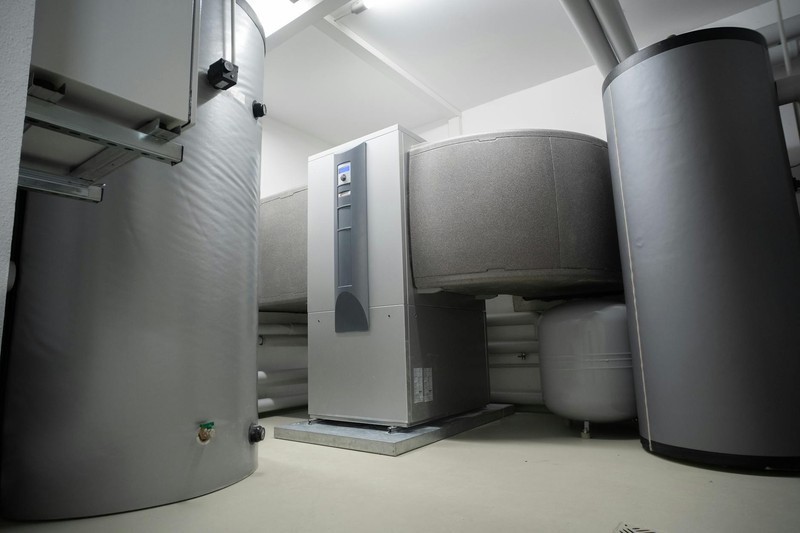
Starting in 2028, no new home in England will connect to the gas network.
Under the government’s updated Future Homes Standard, developers must install heat pumps and solar panels covering an area equivalent to 40% of each building’s ground floor space. The rules, published Tuesday after more than a decade of delays, aim to cut emissions from new housing by 75% compared to 2013 standards.
The mandate adds roughly £10,000 to construction costs, according to government estimates—a figure developers say is unwelcome at any time. The Home Builders Federation warned that the solar requirements are unusually stringent: CEO Neil Jefferson said roughly 60% of homes may not have adequate roof space to comply, though exemptions exist for unsuitable designs.
For homebuyers, the upfront premium could translate into long-term savings. Households should save about £1,000 annually on energy bills, according to the MCS Foundation, which certifies low-carbon installations.
The policy comes amid soaring gas prices driven by the Iran war. Energy Secretary Ed Miliband framed clean power as essential for energy security, arguing the UK must “escape the grip of fossil fuel markets we don’t control.” Critics, including the Conservative opposition, called instead for new North Sea oil and gas licences.
For those not buying new homes, a smaller accessibility win is coming: plug-in solar panels designed for balconies and small gardens will reach British supermarkets within months. The DIY units, already used in 1.5 million German homes, are currently blocked by UK safety regulations. Retailers including Lidl and Amazon are working with the government to clear the way.
The delay to 2028 means hundreds of thousands of homes will still be built with gas heating in the interim. Last year, only 4,000 of approximately 140,000 new-build homes in England received heat pumps.
Sources
- All new homes to have heat pumps and solar panels — BBC News
- Ministers delay new rules for low-carbon housing in England — The Guardian
Discussion (8)