 lop News
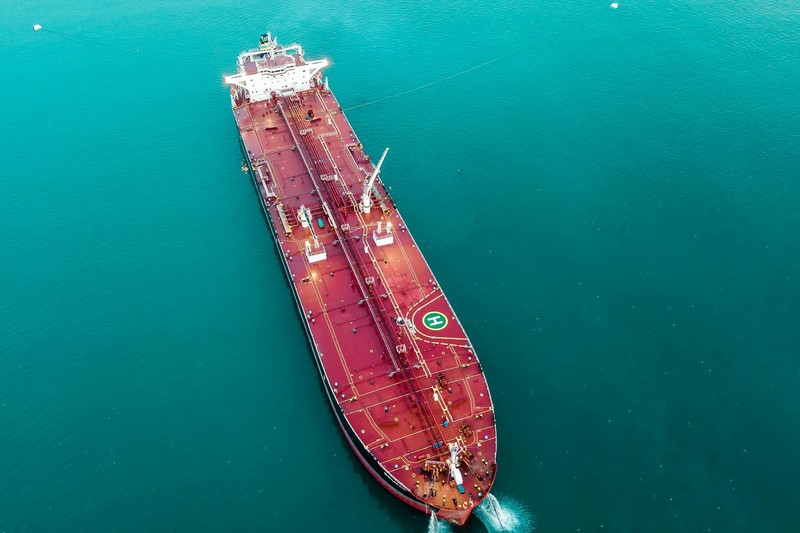
Twenty-two nations signed on to a joint statement calling for safe passage through the Strait of Hormuz. Then the G7 put its own, heavier stamp on it. The sequence matters.
The original declaration, published on 19 March via Downing Street, drew a wide but lightweight coalition — the UK, France, Germany, Italy, the Netherlands, Japan, and Canada, later joined by South Korea, Australia, the UAE, and a dozen others. It condemned Iran’s mining of the strait and attacks on commercial vessels, invoked UN Security Council Resolution 2817, and called for “an immediate comprehensive moratorium on attacks on civilian infrastructure, including oil and gas installations.”
Two days later, G7 foreign ministers issued their own statement. The language was blunter. They condemned what they called Iran’s “reckless attacks against civilians and civilian infrastructure, including energy infrastructure,” and said the group stood “ready to take necessary measures to support global energy supplies,” according to Reuters.
The Gap Between Words and Warships
The diplomatic shift is real: framing Hormuz as a matter of collective security, not merely a market disruption, is a step beyond the usual hand-wringing. But neither statement specifies what “appropriate efforts to ensure safe passage” actually means. No naval taskforce has been announced. No rules of engagement have been outlined. The 22-nation statement “welcomed” nations engaging in “preparatory planning” — a phrase elastic enough to cover anything from tabletop exercises to convoy operations.
What it does commit signatories to is the principle that blocking the strait constitutes “a threat to international peace and security” — language that, under the UN Charter, can justify forceful responses.
For now, the G7 has said the quiet part out loud. Whether that translates into hulls in the water remains the harder question.
Sources
- Joint statement from the leaders of the United Kingdom, France, Germany, Italy, the Netherlands, Japan, Canada and others on the Strait of Hormuz: 19 March 2026 — GOV.UK
- G7 ready to act to protect global energy supplies, backs Hormuz Strait security — Al-Monitor (Reuters)
- Asia hit with fastest rise in crude prices as Middle East supply shrinks — Nikkei Asia