 lop News
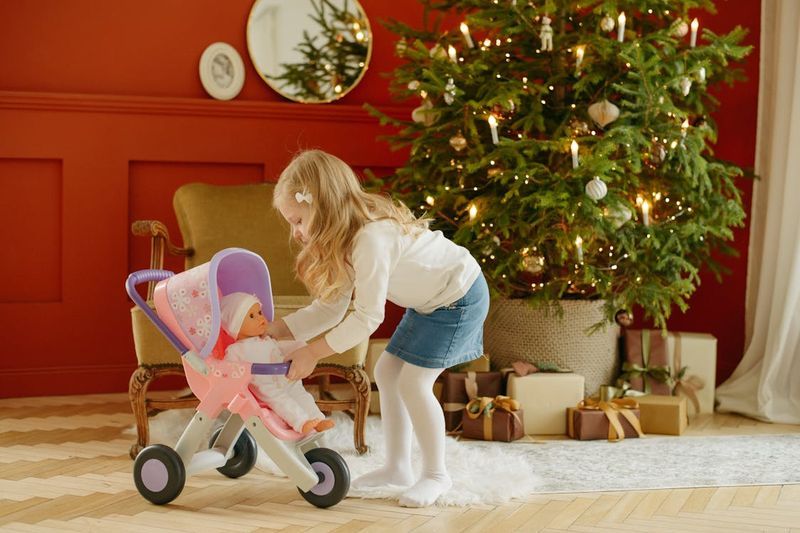
Parents locked in the screen-time guilt spiral now have a data point worth pinning to the fridge.
A six-week randomized trial at Cardiff University gave children aged four to eight either dolls or tablets loaded with games, then tracked their development of “false belief understanding” — the ability to grasp that other people hold thoughts and feelings different from your own. It is a foundational milestone in empathy, and the building block for every relationship a kid will ever have.
Dolls won. Convincingly.
“We found the first evidence that doll play is linked to improvements in false belief understanding in children aged 4 to 8 years old,” said Dr. Sarah Gerson, a reader at Cardiff’s School of Psychology and lead researcher on the study, published March 18 in PLOS One.
Both boys and girls showed comparable gains — a useful rebuttal to anyone still filing dolls under “girls’ toys.” But the most striking result was among children whose parents reported existing peer difficulties. Those kids saw the biggest improvements, suggesting doll play may matter most precisely where social skills are hardest to build.
The mechanism isn’t mysterious. Children playing with dolls used more emotion-focused language and were more likely to rope in siblings, parents, or friends. Tablets, even creative ones, prompted far less social interaction. Dolls, it turns out, are rehearsal spaces — low-stakes stages where kids practice reading and responding to other people’s inner lives.
None of this means tablets are poison. But if you’re choosing what to hand a four-year-old on a Tuesday afternoon, the old-fashioned option just got a peer-reviewed endorsement.