 lop News
In 2000, Israel withdrew from southern Lebanon. It was supposed to be the shape of things to come—the age when holding territory was passé, when power flowed through markets and fiber optic cables, not across rivers and through checkpoints. On Monday, Israel declared it would hold Lebanese territory indefinitely. The Litani River, a cabinet minister said, should be the new permanent border.
The assumption that territory had become obsolete was always a fantasy of the wealthy and the secure. It died somewhere between Russia’s annexations and this week’s headlines, but the funeral is running late.
Consider what the last 24 hours revealed. A NATO ally’s election was shaped by fear that the United States might seize Greenland by force. Russia opened its spring offensive with 948 drones—the largest aerial assault of the entire war—in service of taking more territory. North Korea declared its nuclear status “irreversible,” permanently closing the diplomatic territory that decades of negotiation had tried to claim. The Philippines, eight thousand kilometers from the Strait of Hormuz, began rationing fuel because someone else controlled a chokepoint.
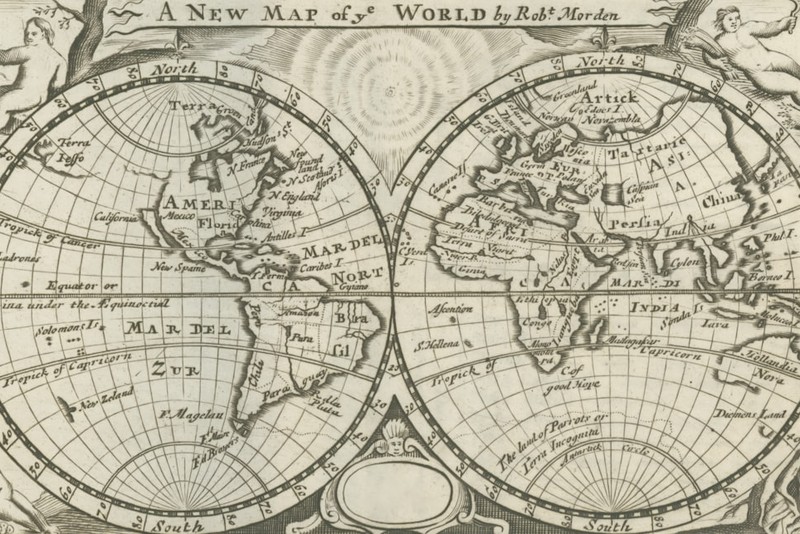
The map is being redrawn. Not through the slow accretion of economic influence or the soft power of cultural export, but through the oldest methods available: military occupation, missile strikes, and unilateral declarations.
We built institutions for a world that no longer exists. The European Union’s former border chief now faces a crimes against humanity probe for policies enacted during the migration crisis—a reminder that even the bureaucrats of border control can cross lines. Trade deals are now explicitly described as “hedges against an increasingly hostile global trade environment,” language that would have seemed paranoid a decade ago and now reads as prudent.
The irony is that everything else about this era suggests we should have moved beyond territory. The Black Hawk helicopter can now fly itself on 70-mile missions without a pilot—the automation of force has reached the point where holding ground doesn’t even require humans in the loop. Antimatter is being loaded onto trucks at CERN. AI systems are predicting market movements before the humans who move them post their thoughts. And yet the fundamental currency of power remains the same: land, water, the physical control of resources and the people who need them.
The FCC’s decision to ban foreign-made routers is revealing in this context. Even digital infrastructure is being pulled back into territorial logic—your next router must be American-made, as if the silicon itself owes allegiance to a flag. The network that was supposed to dissolve borders is being absorbed into them.
The post-1945 order assumed territorial conquest was finished. The post-Cold War order assumed borders were settled. Both assumptions are being shattered simultaneously, and the mechanisms designed to prevent this—the UN, international law, the mere concept of norms—have proven inadequate to the moment.
The question isn’t whether territorial conflict will define this era. It already does. The question is whether anything exists capable of stopping it.